Buy chance4change.eu ?
We are moving the project
chance4change.eu .
Are you interested in purchasing the domain
chance4change.eu ?
domain@kv-gmbh.de · 0541-91531010
Buy chance4change.eu ?
Can only liquids that can form hydrogen bonds form hydrogen bonds?
No, only liquids that contain hydrogen atoms bonded to highly electronegative atoms such as oxygen, nitrogen, or fluorine can form hydrogen bonds. These highly electronegative atoms create a partial negative charge, which allows them to attract the partially positive hydrogen atoms of neighboring molecules. Therefore, only liquids that contain these specific types of bonds can form hydrogen bonds. **
What are hydrogen bonds?
Hydrogen bonds are weak electrostatic attractions between a hydrogen atom covalently bonded to an electronegative atom (such as oxygen, nitrogen, or fluorine) and another electronegative atom. These bonds are important in biological systems, such as in the structure of DNA and proteins, as well as in the properties of water. Hydrogen bonds are stronger than van der Waals forces but weaker than covalent or ionic bonds. **


Similar search terms for Hydrogen bonds Strong
Top-Angebote
Products related to Hydrogen bonds Strong:
-
HARPERCOLLINS Creative Confidence by Tom & David Kelley – Unleashing Your Creative Potential & Innovation MindsetA powerful and inspiring book from the founders of IDEO, the award-winning design firm, on unleashing the creativity that lies within each and every one of us. Too often, companies and individuals assume that creativity and innovation are the domain of the ‘creative types’. But two of the foremost experts in innovation, design and creativity on the planet show us that each and every one of us is creative. In an entertaining and inspiring narrative that draws on countless stories from their work at IDEO, and with many of the world's top companies and design firms, David and Tom Kelley identify the principles and strategies that will allow us to tap into our creative potential in our work lives, and in our personal lives, allow us to think outside the box in terms of how we approach and solve problems. ‘Creative Confidence’ is a book that will help each of us be more productive and successful in our lives and in our careers.4,95 £*Shipping: 1,99 £Secure redirect to the provider
-
Inspired Finds Hydrogen Oxygen Facial Cleansing Machine Probe Professional Portable Skin Care Replacement Head Hydrogen Oxygen Facial Cleansing Machine Probe Professional Portable Skin Care Replacement HeadElevate your skincare treatments with the hydrogen oxygen facial machine probe, designed for deep cleansing, rejuvenation, and professionalquality results. This replacement head delivers advanced wateroxygen infusion to gently remove impurities,...76,99 $*Shipping: 0,00 $Secure redirect to the provider
-
Strong Girls Gift Set: Ordinary People Change the World - by Brad MeltzerThis friendly, fun biography series focuses on the traits that made our heroes great—the traits that kids can aspire to in order to live heroically themselves. Each book tells the story of one of America's icons in a lively, conversational way that...54,00 $*Shipping: 0,00 $Secure redirect to the provider
-
Uplifted Goods Standing Hydrogen Oxygen LED Facial Mask Red Blue Light Therapy Machine 220vElevate your skincare routine with this standing hydrogen oxygen LED facial mask. Designed with red and blue light therapy to combat acne, promote collagen, and rejuvenate skin, it combines breakthrough technology and salonlevel performance in a...297,97 $*Shipping: 0,00 $Secure redirect to the provider




-
Can ethanal form hydrogen bonds?
Yes, ethanal (acetaldehyde) can form hydrogen bonds. Ethanal contains a carbonyl group (C=O), which has a partially positive carbon atom and a partially negative oxygen atom. This allows ethanal to form hydrogen bonds with molecules containing hydrogen atoms bonded to electronegative atoms such as oxygen or nitrogen. **
-
Can aldehydes form hydrogen bonds?
Yes, aldehydes can form hydrogen bonds. The oxygen atom in the carbonyl group of an aldehyde can act as a hydrogen bond acceptor, and the hydrogen atom attached to the carbonyl carbon can act as a hydrogen bond donor. This allows aldehydes to participate in hydrogen bonding with other molecules that contain hydrogen bond donors or acceptors. **
-
How are hydrogen bonds formed?
Hydrogen bonds are formed when a hydrogen atom that is covalently bonded to an electronegative atom (such as oxygen, nitrogen, or fluorine) is attracted to another electronegative atom nearby. This attraction creates a weak electrostatic bond between the hydrogen atom and the electronegative atom, resulting in a hydrogen bond. These bonds are important in many biological processes, such as the structure of DNA and the folding of proteins, as well as in the properties of water. **
-
Why are Van der Waals bonds weaker than hydrogen bonds?
Van der Waals bonds are weaker than hydrogen bonds because they are formed due to temporary fluctuations in electron distribution around atoms or molecules, resulting in weak attractive forces. In contrast, hydrogen bonds are formed between a hydrogen atom and a highly electronegative atom such as oxygen, nitrogen, or fluorine, resulting in a stronger electrostatic attraction. Additionally, hydrogen bonds are directional and can form multiple bonds between molecules, while Van der Waals bonds are non-directional and typically only occur between non-polar or weakly polar molecules. **
What are hydrogen bonds in chemistry?
Hydrogen bonds are a type of weak chemical bond that occurs between a hydrogen atom and a highly electronegative atom, such as oxygen, nitrogen, or fluorine. These bonds are important in various biological processes, such as the structure of DNA and the folding of proteins. Hydrogen bonds are stronger than van der Waals forces but weaker than covalent or ionic bonds. **
Which molecules cannot form hydrogen bonds?
Molecules that cannot form hydrogen bonds are those that do not have hydrogen atoms bonded to highly electronegative atoms such as oxygen, nitrogen, or fluorine. For example, hydrocarbons like methane (CH4) and nonpolar molecules like carbon dioxide (CO2) cannot form hydrogen bonds because they lack hydrogen atoms bonded to electronegative atoms. Additionally, molecules that have hydrogen atoms bonded to less electronegative atoms like carbon or sulfur also cannot form hydrogen bonds. **
Top-Angebote
Products related to Hydrogen bonds Strong:
-
S&S Northern Merlin Gas Detector X-Range - HydrogenThe Merlin Gas Detector X-Range for Hydrogen is designed to integrate seamlessly with the S&S; Merlin range of Gas Detection Panels and Safety Systems. Featuring a compact, modern, and digital design, this detector is both aesthetically pleasing and easy to install, making it ideal for industrial and commercial indoor applications. Advanced Detection: Effectively detects hydrogen gas, ensuring safety in various environments. Dual-Level Alarms: Features both low and high-level alarms for comprehensive safety monitoring. Visual Indicators: Traffic light-style gas level display provides clear and immediate visual feedback on gas levels. Easy Installation: Designed for straightforward setup, ensuring hassle-free integration.217,50 £*Shipping: 0,00 £Secure redirect to the provider
-
Inspired Finds Eternal Bonds Personalized Acrylic Photo Frame & Custom Couple Plaque Gift warm LightCapture Your Timeless Connection. Turn your most meaningful moments into a lasting keepsake with this elegant personalized acrylic photo frame. Designed specifically for couples who value memories that matter, this sleek, transparent display piece...110,99 $*Shipping: 0,00 $Secure redirect to the provider
-
HARPERCOLLINS Creative Confidence by Tom & David Kelley – Unleashing Your Creative Potential & Innovation MindsetA powerful and inspiring book from the founders of IDEO, the award-winning design firm, on unleashing the creativity that lies within each and every one of us. Too often, companies and individuals assume that creativity and innovation are the domain of the ‘creative types’. But two of the foremost experts in innovation, design and creativity on the planet show us that each and every one of us is creative. In an entertaining and inspiring narrative that draws on countless stories from their work at IDEO, and with many of the world's top companies and design firms, David and Tom Kelley identify the principles and strategies that will allow us to tap into our creative potential in our work lives, and in our personal lives, allow us to think outside the box in terms of how we approach and solve problems. ‘Creative Confidence’ is a book that will help each of us be more productive and successful in our lives and in our careers.4,95 £*Shipping: 1,99 £Secure redirect to the provider
-
Inspired Finds Hydrogen Oxygen Facial Cleansing Machine Probe Professional Portable Skin Care Replacement Head Hydrogen Oxygen Facial Cleansing Machine Probe Professional Portable Skin Care Replacement HeadElevate your skincare treatments with the hydrogen oxygen facial machine probe, designed for deep cleansing, rejuvenation, and professionalquality results. This replacement head delivers advanced wateroxygen infusion to gently remove impurities,...76,99 $*Shipping: 0,00 $Secure redirect to the provider
-
Can only liquids that can form hydrogen bonds form hydrogen bonds?
No, only liquids that contain hydrogen atoms bonded to highly electronegative atoms such as oxygen, nitrogen, or fluorine can form hydrogen bonds. These highly electronegative atoms create a partial negative charge, which allows them to attract the partially positive hydrogen atoms of neighboring molecules. Therefore, only liquids that contain these specific types of bonds can form hydrogen bonds. **
-
What are hydrogen bonds?
Hydrogen bonds are weak electrostatic attractions between a hydrogen atom covalently bonded to an electronegative atom (such as oxygen, nitrogen, or fluorine) and another electronegative atom. These bonds are important in biological systems, such as in the structure of DNA and proteins, as well as in the properties of water. Hydrogen bonds are stronger than van der Waals forces but weaker than covalent or ionic bonds. **
-
Can ethanal form hydrogen bonds?
Yes, ethanal (acetaldehyde) can form hydrogen bonds. Ethanal contains a carbonyl group (C=O), which has a partially positive carbon atom and a partially negative oxygen atom. This allows ethanal to form hydrogen bonds with molecules containing hydrogen atoms bonded to electronegative atoms such as oxygen or nitrogen. **
-
Can aldehydes form hydrogen bonds?
Yes, aldehydes can form hydrogen bonds. The oxygen atom in the carbonyl group of an aldehyde can act as a hydrogen bond acceptor, and the hydrogen atom attached to the carbonyl carbon can act as a hydrogen bond donor. This allows aldehydes to participate in hydrogen bonding with other molecules that contain hydrogen bond donors or acceptors. **
Similar search terms for Hydrogen bonds Strong
-
Strong Girls Gift Set: Ordinary People Change the World - by Brad MeltzerThis friendly, fun biography series focuses on the traits that made our heroes great—the traits that kids can aspire to in order to live heroically themselves. Each book tells the story of one of America's icons in a lively, conversational way that...54,00 $*Shipping: 0,00 $Secure redirect to the provider
-
Uplifted Goods Standing Hydrogen Oxygen LED Facial Mask Red Blue Light Therapy Machine 220vElevate your skincare routine with this standing hydrogen oxygen LED facial mask. Designed with red and blue light therapy to combat acne, promote collagen, and rejuvenate skin, it combines breakthrough technology and salonlevel performance in a...297,97 $*Shipping: 0,00 $Secure redirect to the provider
-
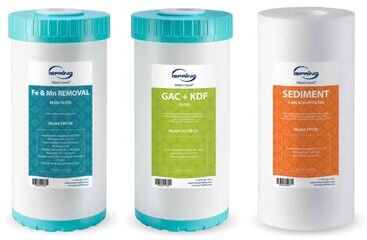
iSpring F3WGB31BMKS Whole House Water Filter Pack, Reduces Iron, Manganese, Hydrogen Sulfide, Lead, Chlorine, SedimentsReliable Whole House Water Filtration – F3WGB31BMKS whole house water filter replacement pack includes a 10” x 4.5” sediment filter, a GAC and KDF compound filter, and an iron filter to tackle sediments, chlorine, heavy metals, hydrogen sulfide,...177,49 $*Shipping: 0,00 $Secure redirect to the provider
-
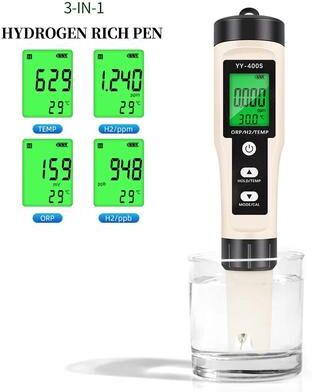
Uplift Picks AquaSense 4 in 1 PH ORP Hydrogen Meter With Temperature 3 In 1Explore several water properties with one portable pen. The full 4in1 version measures pH, ORP, dissolved hydrogen, and temperature for quick checks. It suits aquarium keepers, hydroponic growers, hydrogenwater users, laboratories, and home testers....132,98 $*Shipping: 0,00 $Secure redirect to the provider
-
How are hydrogen bonds formed?
Hydrogen bonds are formed when a hydrogen atom that is covalently bonded to an electronegative atom (such as oxygen, nitrogen, or fluorine) is attracted to another electronegative atom nearby. This attraction creates a weak electrostatic bond between the hydrogen atom and the electronegative atom, resulting in a hydrogen bond. These bonds are important in many biological processes, such as the structure of DNA and the folding of proteins, as well as in the properties of water. **
-
Why are Van der Waals bonds weaker than hydrogen bonds?
Van der Waals bonds are weaker than hydrogen bonds because they are formed due to temporary fluctuations in electron distribution around atoms or molecules, resulting in weak attractive forces. In contrast, hydrogen bonds are formed between a hydrogen atom and a highly electronegative atom such as oxygen, nitrogen, or fluorine, resulting in a stronger electrostatic attraction. Additionally, hydrogen bonds are directional and can form multiple bonds between molecules, while Van der Waals bonds are non-directional and typically only occur between non-polar or weakly polar molecules. **
-
What are hydrogen bonds in chemistry?
Hydrogen bonds are a type of weak chemical bond that occurs between a hydrogen atom and a highly electronegative atom, such as oxygen, nitrogen, or fluorine. These bonds are important in various biological processes, such as the structure of DNA and the folding of proteins. Hydrogen bonds are stronger than van der Waals forces but weaker than covalent or ionic bonds. **
-
Which molecules cannot form hydrogen bonds?
Molecules that cannot form hydrogen bonds are those that do not have hydrogen atoms bonded to highly electronegative atoms such as oxygen, nitrogen, or fluorine. For example, hydrocarbons like methane (CH4) and nonpolar molecules like carbon dioxide (CO2) cannot form hydrogen bonds because they lack hydrogen atoms bonded to electronegative atoms. Additionally, molecules that have hydrogen atoms bonded to less electronegative atoms like carbon or sulfur also cannot form hydrogen bonds. **
* All prices are inclusive of VAT and, if applicable, plus shipping costs. The offer information is based on the details provided by the respective shop and is updated through automated processes. Real-time updates do not occur, so deviations can occur in individual cases. ** Note: Parts of this content were created by AI.